
How Reading Novels is Increasing My Attention Span
My Reading Life Has Shifted to Novels (for now)

I have written less over the past few months - less time (work and real life has been busier), less energy, less forcing it. But this one felt worth sharing. I hope it finds you well.
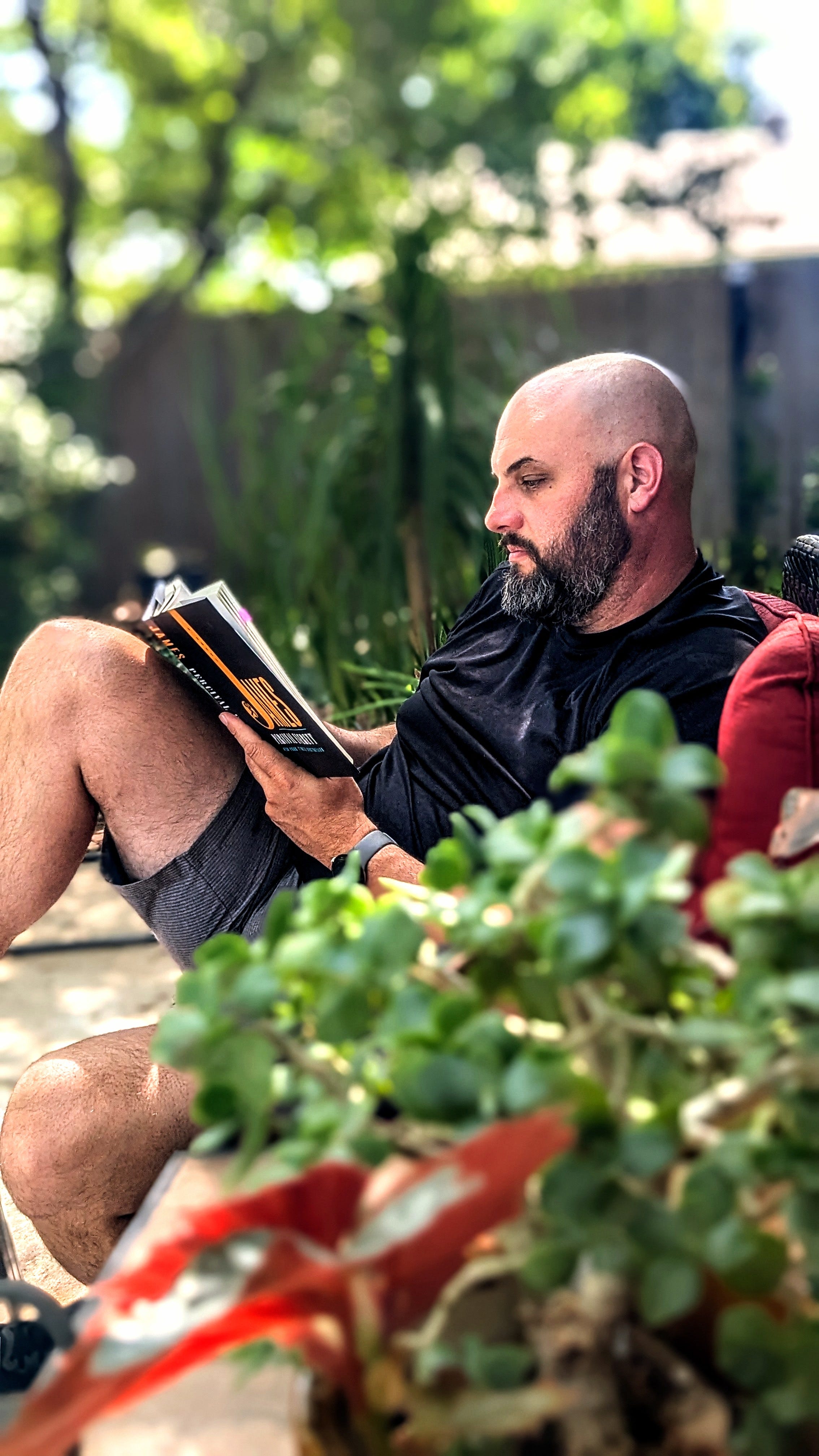
I picked up the almost 700 page novel and was ready to plow through as usual when I was stopped dead in my tracks. Within the first 30 pages, I quickly realized this particular novel was not a plow through type of book. This book requires slow and steady immersion over time.
The book demands to enter into the world that the author is describing and get to know the host of characters as the story slowly envelops. This realization brought with it a feeling of frustration.
I am an avid reader who loves to read across a wide spectrum of genres. Following my curiosity to the next idea or historical moment. I will admit that fiction is a relatively new genre for me.
Since finishing my POTUS biography project, I have found myself craving stories. For much of 2025, I spent picking up more novels as I began my journey through classic literature. And this far in 2026, I find that longing for story intensified.
Over the years, I have developed a rhythm to reading that has helped me read 75-100 books a year. But my new interest in novels, at times, meets my reading expectations head on. I’ll be the first to admit that I find myself frustrated when a book takes longer than I expected.
But, the struggles have taught me a lot about reading novels and adjusting my reading pace. I am learning to look at novels as works of art. They need time spent with them, immersed in the story. Time is required to get to know the characters and the settings and the pace of the story.
I came to realize that not only was I learning to appreciate good writing, but also training my attention span to stay engaged for longer periods. Part of the issue with wanting a certain pace, was I had not yet built up the mental span to stick with a story that is not quick to get to the point.
This differs from nonfiction which is idea to idea and large portions can be skimmed or read without much effort. Reading history and biography follows a pattern that requires engagement but on a different level. My mind has not grown accustomed to the mental effort needed for novels.
These struggles have led me to a few realizations about reading novels that might help any reader:
Novels require perseverance.
This is especially true for big books. For some reason, I am drawn to these massive stories but they require patience and commitment. One of the biggest pieces of advice I see on the Internet about reading is to quit books mercilessly. This can be helpful when you are first developing your reading skills but can be bad advice when tackling a big book such as War and Peace. These books are the opposite of quick attention grabbing content the Internet is filled with. But the reward comes with delaying gratification and sticking with the story. This is why trust of the author is key. Read the classics because they have stood the test of time but also many modern novels reward readers for persevering.
Novels increase attention.
Fiction is human stories set with real characters in authentic human situations. They can be set in any world but the human stories are what draw us in. Contrast this with scrolling YouTube shorts that are designed to grab your attention or lose it within the first 3 seconds. When immersed in stories, the usual pull of instant gratification is delayed and this trains our brains to stick with content even if the rewards are delayed. I have noticed my attention span and ability to stick with a novel increasing over the past few months as I have trained myself to sit for longer periods of reading time.
Stories follow patterns and learning to appreciate and learn from literature can be as rewarding as any nonfiction/history book.
I have read several history books that cover the Great Depression and the Dust Bowl period in US history but I gained a new appreciation of the time period while working my way through Grapes of Wrath by Steinbeck. The historical facts and writing has much to teach us but cannot help you feel what living in that time period was like compared with a good story. The two types of reading complement each other well but if you want to feel the period, novels can be a great source.
Also, nonfiction tends to lay out arguments and scientific studies that can present a helpful way to understand the world. But stories have the ability to bypass logic and reasoning and teach us through parables and characters as they make their way through worlds and situations.
Novels teach empathy.
“A reader lives a thousand lives before he dies…the man who never reads lives only one.” -George R.R. Martin
As we go through life, we experience life through our emotions and experiences but when we read, we experience new perspectives and stories that broaden our horizons. We may not have been an orphan but reading Oliver Twist can help you experience the lives of orphans who experience trauma and corruption. It allows us to walk in someone else’s shoes and helps us to relate to the people we meet in our lives.
I had not planned on planting myself in novels when I was thinking about my reading life this year but I have begun to notice many benefits. My attention span has improved, my ability to persevere with stories has gotten better, I am better able to understand those who are different from myself. I must admit that my reading life feels richer for the journey through novels this year.
The point on perseverance is especially true for literature, which often doesn't try to constantly keep us on the edge of our seats. But working through a difficult literary book can be extremely rewarding!
Yes, there is a difference between reading fiction and non-fiction. I am steeling my spine to commence The Brothers Karamazov. For me that takes courage.